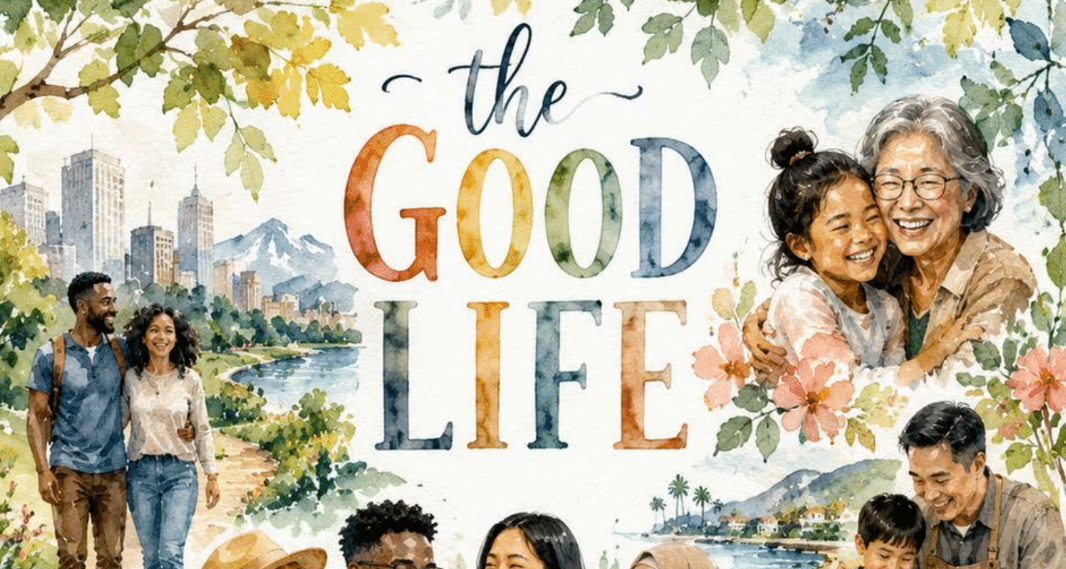
People need other people. They need to make things.
They need to move their bodies through the world, feel wind,
eat food they have cooked themselves, sit still
sometimes and think.
People need enough money that survival does not consume every available unit of thought. They need the confidence to express something and the community structures that build that confidence over time.
None of this is new or contentious, which makes it worth asking why, in the richest and most technologically sophisticated era in human history, we are systematically dismantling every single one of these conditions.
This is not by accident. It is by design.
The Arts
When a government defunds arts and culture, it always frames this as a difficult but necessary choice. Tough times, limited budgets, competing priorities. What it does not say is that this is a statement about what counts as human activity worth supporting.
Arts funding in the UK has been gutted over the past fifteen years. Local authority spending on culture fell by 35 per cent in real terms between 2009 and 2019. Youth arts provision, community theatre, music education, local galleries, all stripped. These cuts hit working-class communities hardest because wealthier communities absorb them privately. The private school still has the drama department. The state school does not.
The policy conversation has been consumed instead by STEM. The arts are presented as a lovely indulgence if you can afford the risk. The message lands clearly on young people from non-privileged backgrounds: creativity is not for you. Your job is to be economically productive in ways that can be measured.
The confidence to create is not a fixed personal trait. It is a social product, built through exposure, through practice, through watching people make things, particularly people you can relate to, and being given space to try. Strip the drama clubs, the music lessons, the community arts centres and you do not just lose the activities. You lose the conditions under which creative confidence grows. You produce adults who believe they are not creative. That is the inheritance of twenty years of arts defunding. Not a generation who chose not to create, but one that had that choice taken from them.
The Platform Takes Its Cut
And then, just as we finish telling creative people that their work has no public value, the market steps in to tell them it has no private value either.
Music streaming pays the average independent artist a fraction of a penny per play. A musician needs millions of streams annually to earn minimum wage from their recorded work. The same logic applies across film, writing, journalism and visual art. The platforms (Spotify, Netflix, YouTube, Amazon) have inserted themselves between creators and audiences and extracted the economic value of the exchange while leaving the creators with the cultural labour and the exposure. Exposure does not pay bills.
This is a structural reorganisation of who gets paid for creative work and who does not. The answer, increasingly, is the platform. The creator earns the credit. The platform earns the revenue. And because the arrangement feels like access and democratisation (anyone can upload, anyone can listen) the extraction is invisible. It does not feel like a theft. It feels like an opportunity. It most certainly is the former.
Live work should, in theory, be where the economics recover. But here too the system has shifted. People are tired. They are screen-habituated. They have been trained by two decades of on-demand consumption to expect culture to arrive at them, frictionless, at a time of their choosing, on a device they are already holding. Going to a gig, a theatre, a spoken word night, a gallery opening: these require effort, travel, advance planning, physical presence. Against the backdrop of financial anxiety, exhaustion and the path-of-least-resistance design of every platform competing for attention, the live event loses.
The musicians, the poets, the theatre-makers, the dancers: we are working in a system that has simultaneously defunded our public infrastructure, handed our recorded income to platforms and eroded the audience habit that made live work economically viable. And we wonder why the creative industries are precarious. They are designed this way so as they can be exploited.